Aches and Pains

Lower Cross Syndrome

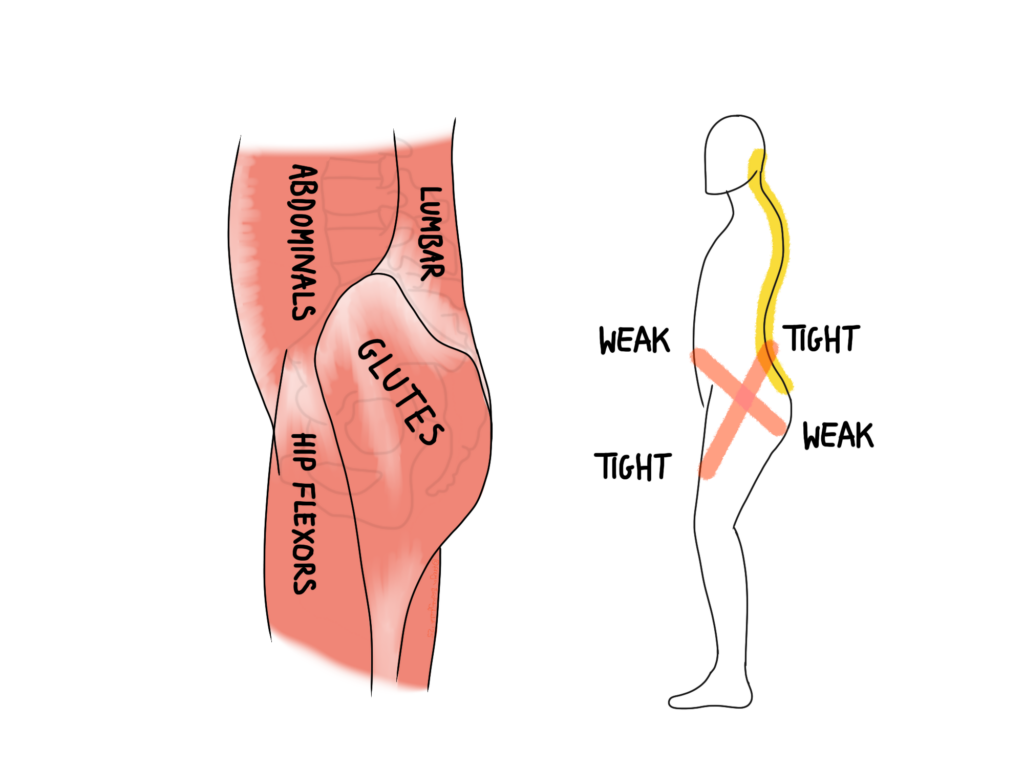
Lower Cross Syndrome shares a lot of similarities with Upper Cross Syndrome. Both describe predictable patterns of muscle imbalance that develop in response to modern lifestyles. Whereas UCS affects the shoulder girdle, LCS acts on the pelvic girdle. Beverley frequently sees lower cross patterns contributing to low back, hip, and pelvic pain. However, the label …

Lower Cross Syndrome Read More »

Shin Splints

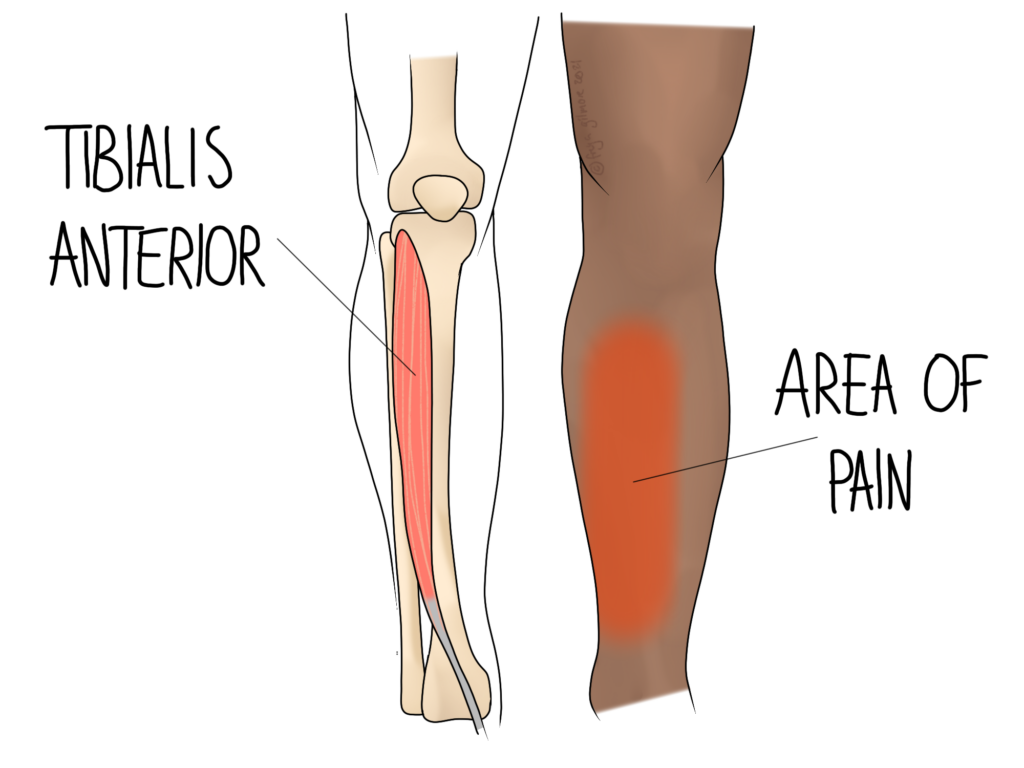
“Shin splints” is a common label for pain along the inner edge of the shin bone, particularly in runners and people who have recently increased their activity levels. While it’s often described as an inflammatory condition, current evidence suggests the picture is more complex. Beverley uses this evolving understanding to guide treatment and recovery. What …

Shin Splints Read More »

Upper Cross Syndrome

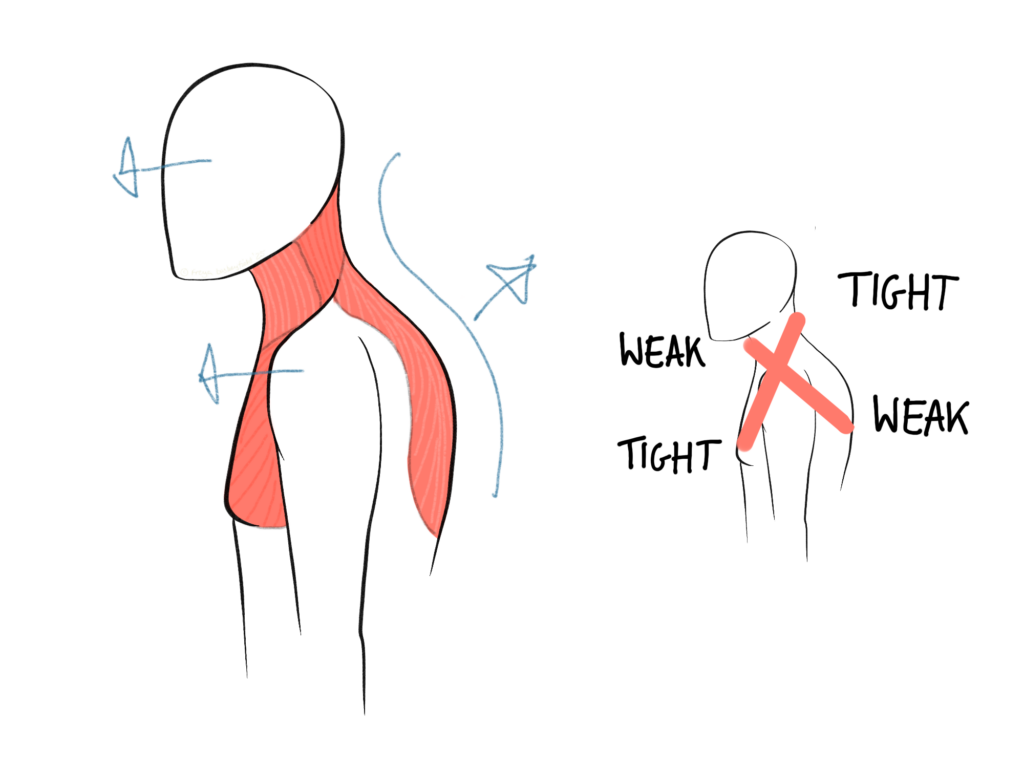
What Is Upper Cross Syndrome? Just like Lower Cross Syndrome, Upper Cross is a pattern of muscular tension and weakness. Whereas the former affects the lower back and pelvic girdle, the latter focuses around the shoulder girdle and up into the neck. Tension in one group of muscles encourages overstretching and weakness in their antagonistic …

Upper Cross Syndrome Read More »

Costochondritis

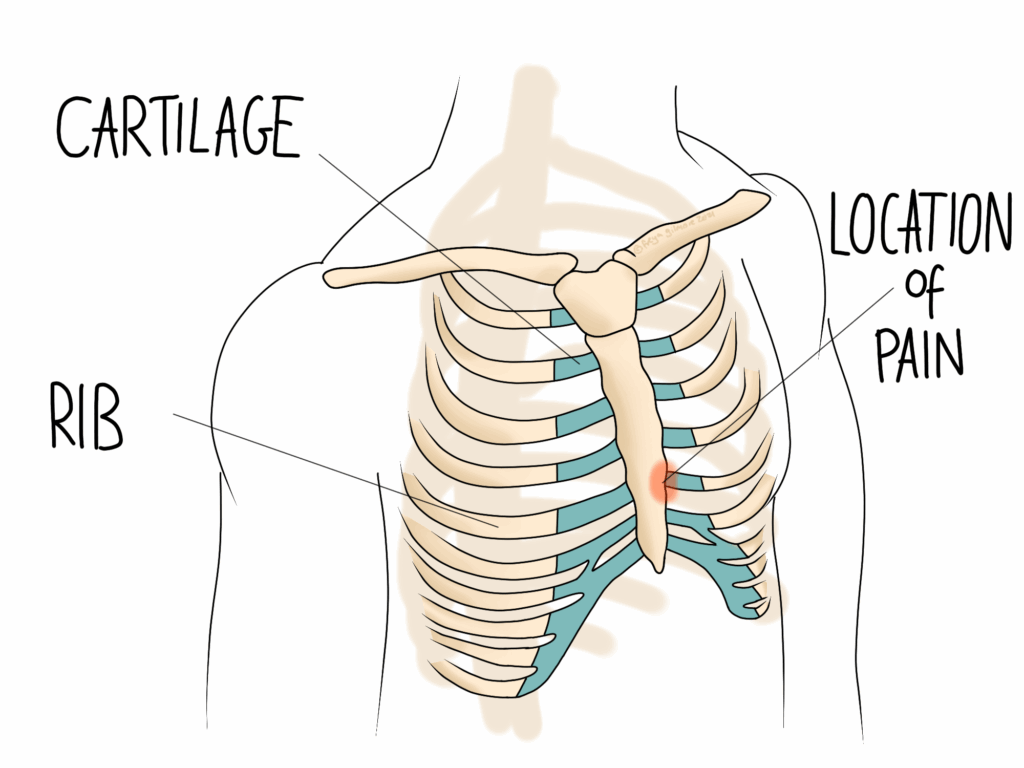
Chest pain can be worrying, especially when there’s a potential threat of heart or lung conditions. But if those have been excluded by your doctor, the pain may be musculoskeletal. In this case, the culprit might be the joints between your ribs and breastbone. This is known as costochondritis. What is Costochondritis? Costochondritis is a …

Costochondritis Read More »

Referred Pain

Often mistaken for a trapped nerve, referred pain causes aches and pains beyond the problematic area. When the lower back or pelvic joints are involved, it can cause an ache down the thigh as far as the calf; but a few details make it easy to distinguish from true sciatica. What is Referred Pain? Any …

Referred Pain Read More »

Hypermobility

When joints move further than we expect, we consider them to be hypermobile. There’s often not much reason why you have a hypermobile joint, or it might be due to injury or a connective tissue disorder. Widespread Hypermobility Some people are “just bendy”. Sometimes this comes down to bony anatomy, like being able to squat …

Hypermobility Read More »