
“Shin splints” is a common label for pain along the inner edge of the shin bone, particularly in runners and people who have recently increased their activity levels. While it’s often described as an inflammatory condition, current evidence suggests the picture is more complex. Beverley uses this evolving understanding to guide treatment and recovery.
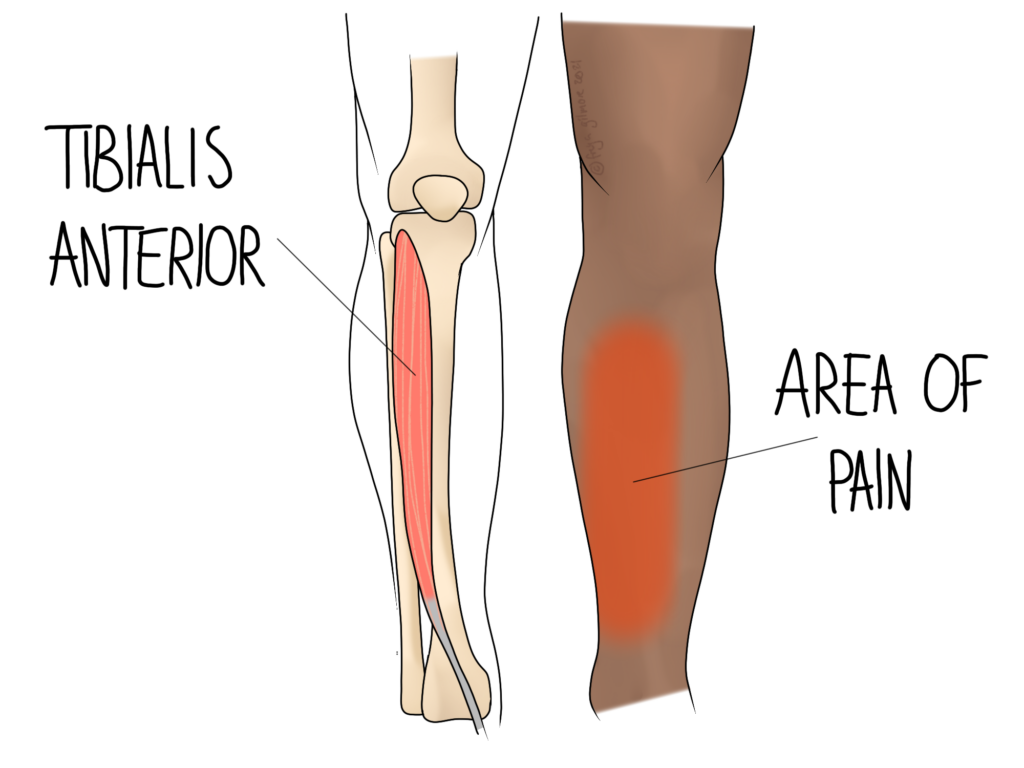
What Are Shin Splints?
The clinical term for most shin splints is medial tibial stress syndrome (MTSS). Pain is usually felt along the lower two-thirds of the shin and tends to worsen with high impact activities such as running or jumping. Historically, shin splits were thought to be caused by inflammation of the muscles or periosteum (the tissue covering the bone). However, more recent research suggests it may represent a bone stress response. This serves as a good reminder that bone is living tissue that responds to its environment like any other. If you ask more of healthy bone, by exercising more, it should respond by increasing its density. That’s why load-bearing exercise is one of the best management strategies for osteoporosis.
Current Understanding of Shin Splints
Current evidence suggests that shin splints may sit on a spectrum of bone overload. Repeated loading without adequate recovery can lead to micro-fractures within the tibia, which cause pain before a true stress fracture develops. This explains why anti-inflammatory approaches alone are often insufficient, and why continuing to “push through” symptoms can make things worse.
Why Shin Splints Are Affecting You Now
Several factors can increase load through the shin bone:
- Sudden increases in training volume or intensity
- Reduced shock absorption from the foot, ankle, or calf (or footwear)
- Hip or pelvic control issues altering leg mechanics
- Fatigue reducing the body’s ability to manage impact
Beverley looks beyond the shin itself to understand why the bone is being overloaded.
How Osteopathy Can Help
Osteopathy cannot speed up bone healing directly, but Beverley can help create the conditions needed for recovery. This includes:
- Improving movement at the ankle, knee, and hip to reduce strain on the shin
- Addressing muscular tension that alters load distribution
- Supporting circulation and tissue health
- Identifying training errors that may be perpetuating symptoms. Bring your footwear along to your appointment for a more holistic view of the factors at play.
Modifying Exercise Without Stopping Everything
One of Beverley’s key roles is helping you continue with your lifestyle as much as possible. If you’re into your exercise, advising you to stop completely isn’t what you want to hear, but also it isn’t likely the best way to promote healing either. Part of your management plan will be safe modification of your chosen activities. Complete rest is not always necessary, but impact management is essential. This may involve:
- Temporary reduction or substitution of high-impact exercise
- Gradual re-loading plans
- Strengthening work to improve force absorption
By respecting the bone’s need for recovery while keeping the rest of the body moving well, Beverley helps patients return to activity with a lower risk of recurrence.
Click here to make an appointment for your aches and pains in Uum Suqueim