
Pain is not just a structural issue. Hormones play a significant role in how pain is perceived, processed, and how we recover from it. This is why symptoms can fluctuate across the menstrual cycle, menopause, and present differently in men and women. As a holistic osteopath, Beverley considers hormonal influences as part of your assessments during treatment.
Hormones and the Pain Experience
Hormones interact with the nervous and musculoskeletal systems. Oestrogen, progesterone, testosterone, cortisol, and thyroid hormones all influence inflammation, tissue sensitivity, and pain thresholds. So the impact of rising (or falling) levels of these hormones can be an increase in the pain experienced. This goes some way to explain the disparity between physical findings and the pain you have; or the variation in your symptoms for seemingly no reason.
Menstrual Cycle and Pain
Across the menstrual cycle, oestrogen and progesterone fluctuate. In the luteal phase (between ovulation and menstruation), oestrogen levels drop. A reduction in oestrogen is associated with higher pain sensitivity. Oestrogen is also lower during the menopause, so we can expect more sensitivity during that time of life too. It might also coincide with joint laxity, headaches, migraines, pelvic pain, or flare-ups of existing musculoskeletal issues. If you notice your aches and pains worsen at the same point each month, be sure to mention it at your appointment. It could be an important diagnostic clue.
Menopause and Persistent Pain
During perimenopause and menopause, fluctuating oestrogen levels can affect pain levels, as mentioned above. It also impacts connective tissue health, muscle recovery, and nervous system regulation. This can contribute to:
- Widespread aches and stiffness
- Tendon or joint pain
- Slower recovery from exercise
- Heightened pain responses
Note also that as oestrogen declines, bone density can too. Post-menopausal women are the demographic most likely to experience osteoporosis. Beverley can help to support your bone health through advice, and treatment that helps you engage with load bearing exercise.
Thyroid Hormones and Pain
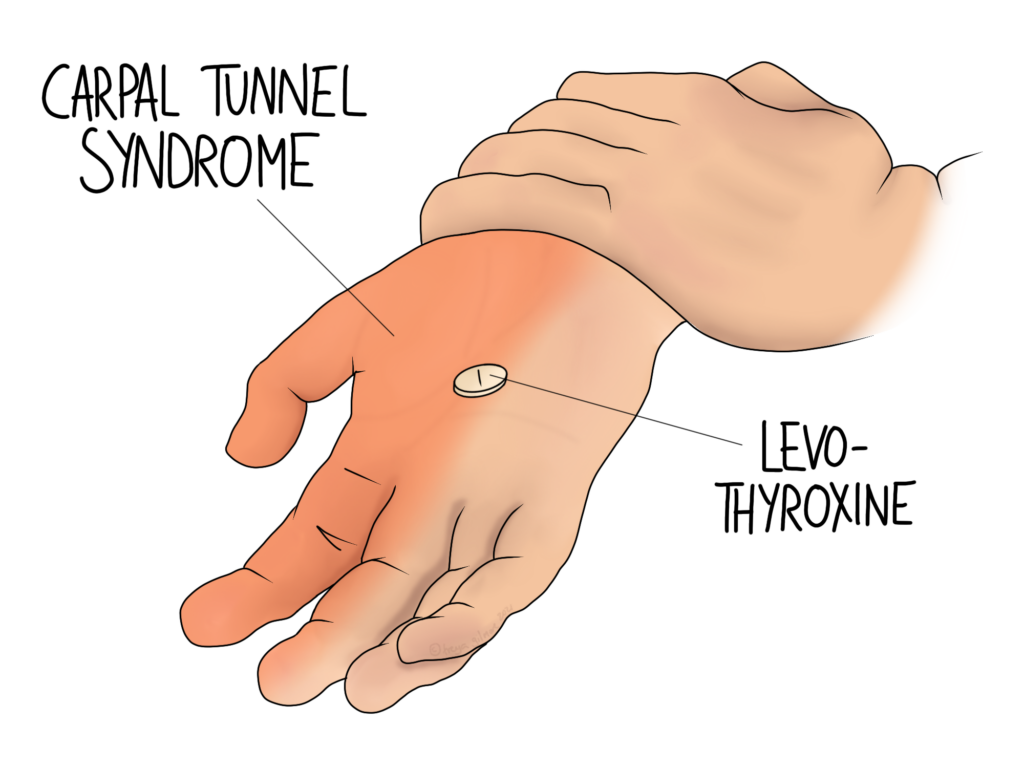
Both underactive and overactive thyroid conditions can alter pain perception. Hypothyroidism in particular is associated with muscle stiffness, cramping, joint pain, and fatigue. Pain in these cases is often diffuse and slow to settle unless the underlying hormonal imbalance is recognised. Unfortunately, because the symptoms of thyroid imbalance are often so vague, diagnosis can be delayed. A blood test is the easiest way to be sure of a diagnosis, but some “full” panels omit thyroid hormones, and they need to be specifically requested. Beverley can help you advocate for testing with your GP where appropriate.
How Beverley Can Help
Beverley does not treat hormones directly, but she does treat how the body responds to hormonal change. Osteopathic treatment can help by:
- Reducing muscular tension and joint strain
- Supporting circulation and tissue recovery
- Calming sensitised pain pathways
- Adjusting activity and exercise during vulnerable phases, and supporting it where appropriate
Pain is never “all in your head”, but it is complicated and multisystemic. Beverley’s role is to help your body cope better with the internal and external stresses it’s under.
Click here to make an appointment for your aches and pains in Uum Suqueim