
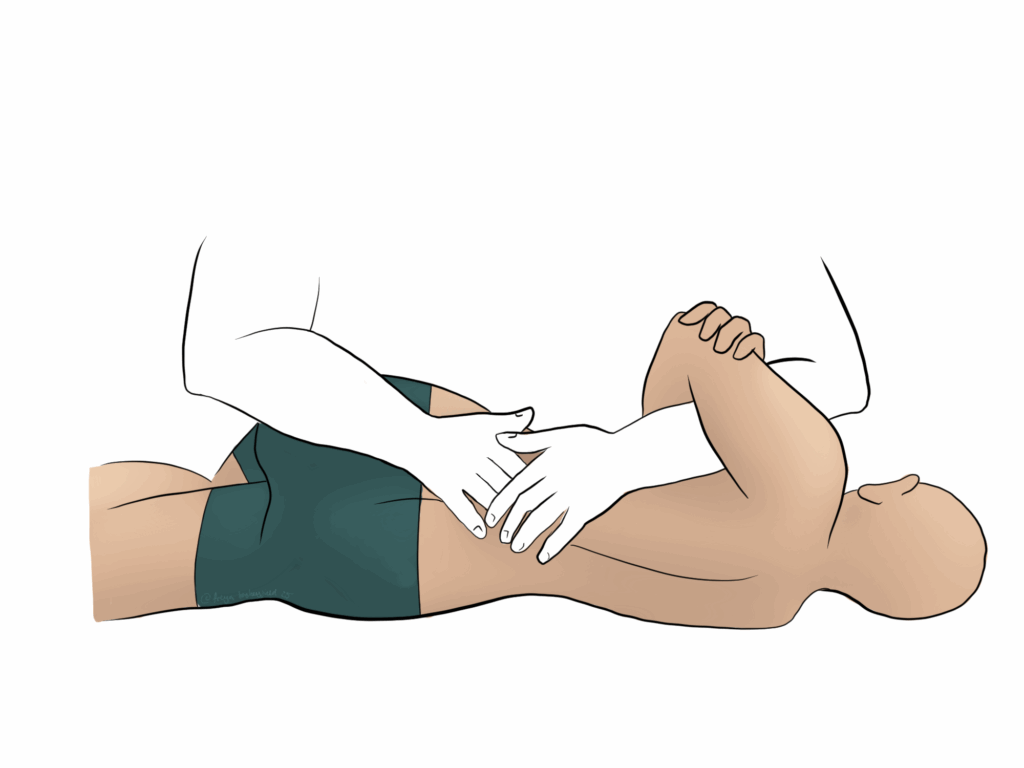
For a lot of people, osteopathy is synonymous with clicking joints or HVT. It is just one tool in our kit but used appropriately it can be very effective.
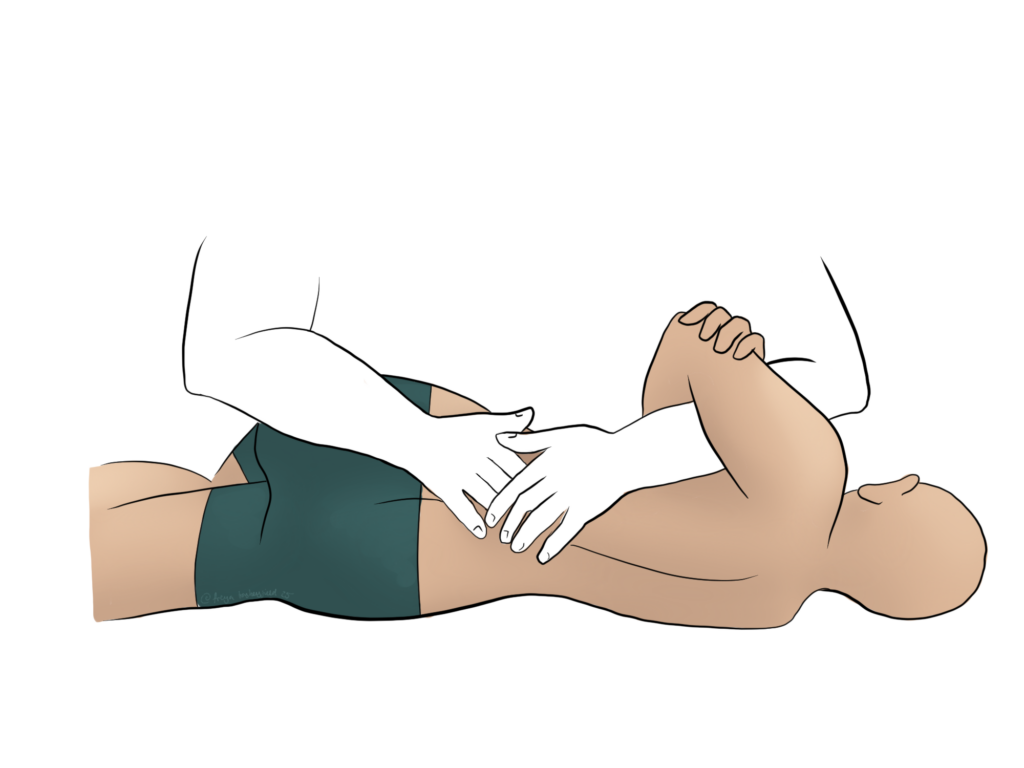
Some patients specifically book an appointment because they are hoping for manipulation, while others feel nervous about the idea of “being clicked”. The good news is that HVT is never a requirement for successful treatment. Beverley has a wide range of gentle techniques available, and your treatment will always be tailored to you.
What Is HVT?
High Velocity, Low Amplitude (or High Velocity Thrust) manipulation is a quick, precise movement applied to a joint. The movement is small in range but delivered at speed, which is where the name comes from.
You may hear a popping or cracking sound during the technique. This noise is simply gas being released from the fluid within the joint as pressure changes rapidly. It is similar to the sound made when cracking your knuckles and is not the bones moving or grinding against one another. Not every successful manipulation produces a click, and equally, a click does not necessarily mean a treatment has been more effective. The sound itself is just a side effect.
When Might HVT Help?
HVT is often used when joints have become stiff and movement is restricted. Improving movement in one area may help reduce muscle tension, improve mobility, and make everyday activities more comfortable.
It is commonly used for mechanical problems affecting spine, including the neck. The ribs and pelvis can also be clicked in a similar way. Beyond the spine and neighbouring joints, sometimes joints of the hands, feet, knees, and elsewhere can respond well to manipulation. For some people, restoring movement in these areas can also reduce associated symptoms such as headaches, shoulder pain, or stiffness through the hips.
Treatment is always based on a thorough assessment rather than simply identifying where something feels tight.
Is HVT Suitable for Everyone?
No. HVT is not appropriate for every patient. Suitability is determined case by case, based on information from your medical history, current symptoms, diagnosis, and preferences. Manipulation may not be appropriate for some people with:
- osteoporosis
- some inflammatory forms of arthritis
- recent fractures
- some neurological conditions
- recent surgery
Some patients simply prefer not to have manipulation, and that is equally important. Your treatment should always be something you feel comfortable with.
Alternative Osteopathic Techniques
If HVT is not appropriate, Beverley has plenty of other techniques available to achieve similar goals. Depending on your presentation, treatment may include more gentle, repeated joint mobilisation techniques, massage or stretching. Muscle Energy Techniques can look quite similar to the setup for a manipulation, but rather than asking you to relax while your osteopath clicks you, she’ll ask you to push against the position (unwind) while she resists your movement. This technique can also produce a click. Exercises and advice may also be helpful alternatives to HVT.